After a Kenya safari, most travelers find themselves at a crossroads. The Indian Ocean is close. Two very different beach destinations are within reach. The Zanzibar vs Kenya coast decision comes down to more than sand and water quality. It involves logistics, visas, cultural depth, diving expectations, and how many days you have left.
This article maps out both options across every factor that matters so you can make the call that fits your trip.
Quick Comparison
| Factor | Zanzibar | Kenya Coast |
|---|---|---|
| Country | Tanzania (cross-border) | Kenya (same country) |
| Additional visa | Tanzania visa required for most nationalities | No additional visa |
| Flight from Nairobi | Approx. 2 hours | Approx. 50 minutes to Mombasa |
| Beach quality | Exceptional (Nungwi, Kendwa, Paje) | Very good to excellent (Diani) |
| Diving | Outstanding (Mnemba Atoll) | Good (Diani Reef, Watamu) |
| Cultural experience | Distinct: Stone Town, spice island identity | Swahili coast, Fort Jesus, Gede Ruins |
| Best minimum stay | 4 to 5 days | 2 to 3 days |
| Logistics complexity | Higher | Lower |
Zanzibar as a Post-Safari Extension
What Sets Zanzibar Apart
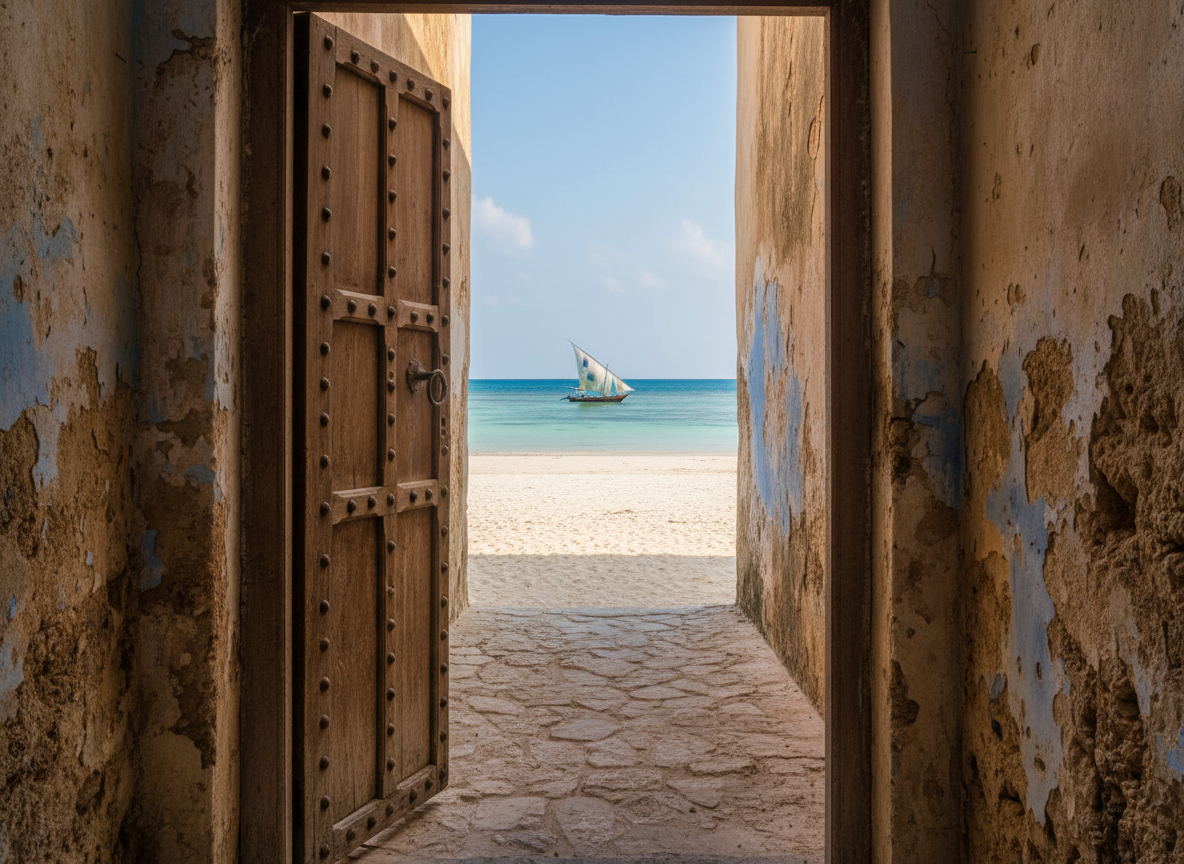
Zanzibar carries a cultural identity that distinguishes it from any coastal town on the East African mainland. Stone Town, the historic centre of Zanzibar City, is a UNESCO World Heritage Site. Its narrow lanes, carved wooden doorways fitted with brass studs, Arab merchant houses, and Persian baths reflect centuries of Swahili-Arab-Indian Ocean trade. Walking Stone Town takes several hours and leaves a lasting impression.
The beaches on Zanzibar’s northern shore, Nungwi and Kendwa in particular, rank among the finest in the Indian Ocean. Fine white sand, clear turquoise water, and a calm horizon. On the east coast, Paje is one of the top kitesurfing destinations in the world.
Zanzibar is also the Spice Island. Cloves, cinnamon, cardamom, nutmeg, and vanilla have been cultivated here for centuries. Spice farm tours are a well-established part of the visitor experience and connect the island’s agricultural history to its role in the global trade routes.
Diving and Marine Life
For divers and snorkelers, Mnemba Atoll off the northeast coast is the headline attraction. The atoll consistently appears in global top-ten dive site lists. Coral gardens, sea turtles, spinner dolphins, and dense reef fish populations are standard sightings. Water clarity around Mnemba is exceptional for much of the year.
Getting to Zanzibar from Kenya
Direct flights from Nairobi’s Jomo Kenyatta International Airport to Zanzibar’s Abeid Amani Karume International Airport take approximately two hours. Kenya Airways, Precision Air, and several regional carriers operate this route. Travelers coming from a Masai Mara airstrip will transit through Nairobi.
Most nationalities need a Tanzania visa for entry. The East African Community Tourist Visa covers Kenya, Uganda, and Tanzania together at $100 USD and is worth considering if you plan to visit both countries. Tanzania’s single-entry visa on arrival costs $50 USD for most nationalities and is processed at the airport. Neither is difficult to obtain, but the additional border step adds planning overhead that the Kenya coast does not require.
Zanzibar vs Kenya Coast: The Coastal Kenya Option
Diani Beach and Watamu
Diani Beach, 30 kilometres south of Mombasa, is consistently listed among Africa’s best beaches. The sand is white, the water warm and sheltered by a fringing reef, and the area offers a full range of accommodation from budget guesthouses to boutique beach lodges. Kite surfing is available at Diani, and boat trips to the outer reef depart regularly.
Watamu, further north along the coast, sits within a marine national park. Snorkeling is accessible from several hotel frontages, and sea turtle encounters are a dependable draw. The Gede Ruins, a medieval Swahili city abandoned in the 17th century and now partly restored, are a short drive from Watamu and add historical context that enriches the coast visit.
Cultural Stops Along the Coast
Mombasa’s Old Town shares architectural DNA with Stone Town, though on a quieter scale. Fort Jesus, a 16th-century Portuguese fortification on the harbour mouth, is a UNESCO World Heritage Site and a worthwhile half-day visit. The Old Harbour area still sees traditional dhow traffic. The carved wooden doorways of the Arab quarter echo Zanzibar’s aesthetic, though with less density and fewer crowds.
Getting to the Kenya Coast from Safari
An internal Kenya flight from Nairobi to Mombasa takes under an hour. From some Masai Mara airstrips, direct services to Ukunda airstrip near Diani operate without requiring a Nairobi connection. This makes the Kenya coast the faster, simpler transition from safari to beach for travelers with tight schedules or short extensions.
No additional visa is needed. No international border crossing. The logistics are straightforward.
Beach and Diving Side by Side
| Feature | Zanzibar | Kenya Coast (Diani/Watamu) |
|---|---|---|
| Sand quality | Exceptional | Very good |
| Water clarity | Very high | Good |
| Diving | Outstanding (Mnemba Atoll) | Good (Diani Reef, Watamu Marine Park) |
| Snorkeling | Excellent | Good |
| Sea turtles | Yes (Mnemba) | Yes (Watamu) |
| Spinner dolphins | Yes | Yes (Diani morning trips) |
| Kitesurfing | World-class (Paje) | Good (Diani) |
Zanzibar leads on diving and snorkeling. Diani is the more practical option for travelers whose primary aim is a comfortable beach with reliable water access and minimum logistical friction.
How to Choose
Reasons to Choose Zanzibar
- You want to combine Kenya and Tanzania in one trip
- Mnemba Atoll diving is a priority
- Stone Town’s cultural depth is part of what you’re seeking
- You have at least four to five days for the extension
- You’re comfortable handling a Tanzania visa and a longer connecting flight
Reasons to Choose the Kenya Coast
- You want to stay within Kenya with no additional visa or border crossing
- Your extension runs two to three days and doesn’t justify the Zanzibar logistics overhead
- You’re traveling with children or older family members and prefer simpler connections
- A direct flight from the Masai Mara to the coast fits your schedule
- You’ve already visited Zanzibar or plan to dedicate a separate trip to Tanzania
Explorer Notes
Time matters more than it looks. Zanzibar’s logistics, flight, border processing, and the transfer to the northern beaches, consume at least half a day at each end. A three-night Zanzibar extension effectively becomes two full beach days. The Kenya coast can be reached in a morning and starts working for you immediately.
Seasonal variation. Both destinations feel the Indian Ocean monsoon. Long rains run from March through May; short rains from October to November. June through September is the coolest period on the Kenya coast, with stronger winds that benefit kitesurfers but can affect swimming comfort. Zanzibar’s best diving months are July through October.
Budget. Both destinations cover the full accommodation range. Zanzibar’s international profile has pushed mid-tier and luxury prices upward over the last decade. Diani offers comparable quality at slightly lower cost across many categories.
Short extensions from the Mara. If your safari ends at a Masai Mara camp and you have only two or three days remaining, the Kenya coast is almost always the practical choice. Adding Zanzibar to a tight schedule turns a relaxing finish into another transit exercise.
Conclusion
The Zanzibar vs Kenya coast question has no single right answer. Both deliver genuine Indian Ocean beach experiences with strong cultural and marine dimensions. Zanzibar earns its reputation, especially for divers and those drawn to Stone Town’s history. The Kenya coast earns its place through simplicity, speed, and direct connection from the safari circuit.
Match the extension to your remaining time, your visa situation, and what you most want from the final days of your trip.
Turn this reading into a real itinerary with help from a Kenya-based safari team.
Start Planning Your Safari